
The Federal Reserve & Why It Matters to Your Money
April 16, 2026
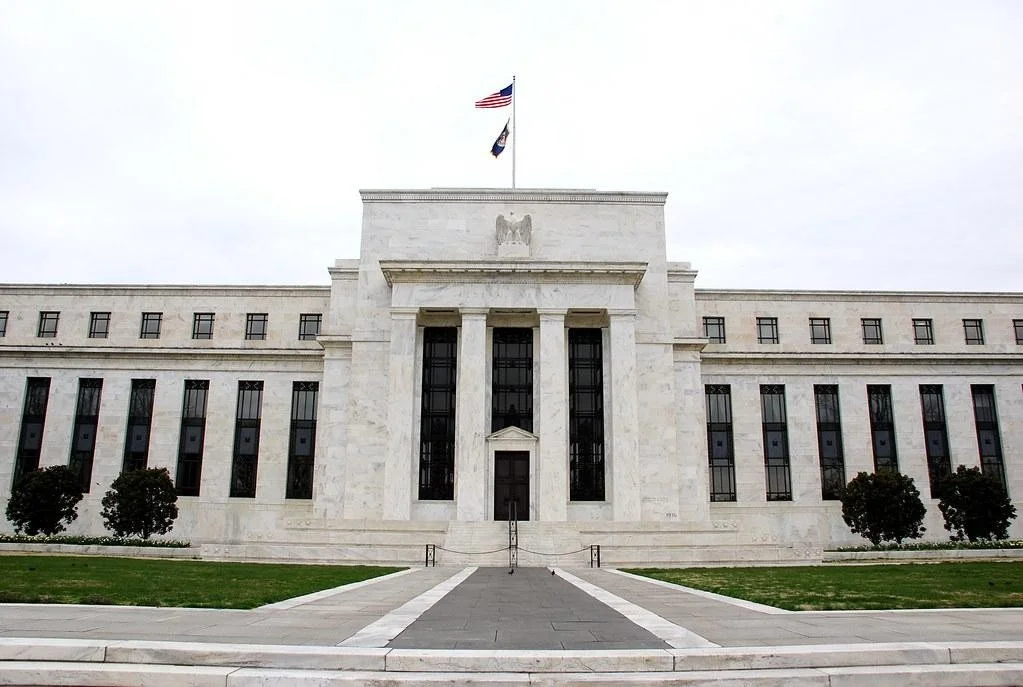
Few institutions have as much influence over the U.S. economy as the Federal Reserve. From interest rates to lending conditions, the Fed plays a central role in shaping the financial environment that affects everything from mortgages to investment returns.
Here’s a clearer look at what the Federal Reserve does—and why its decisions matter in your day-to-day financial life.
What is the Federal Reserve?
The Federal Reserve—often simply called “the Fed”—serves as the central bank of the United States. While its main offices are located in Washington, D.C., the system includes 12 regional Federal Reserve Banks spread across major cities throughout the country.
Established in 1913, the Fed was designed to promote stability in the nation’s financial system. In addition to guiding monetary policy, it also supervises banks and helps ensure the integrity of the broader financial system.
How the Fed influences the economy
To carry out its mission, the Federal Reserve relies on several key tools. These mechanisms are designed to manage economic growth, control inflation, and support employment.
Managing interest rates and the money supply
One of the Fed’s primary responsibilities is regulating how much money circulates in the economy. It can expand or contract this supply depending on economic conditions.
When more money is available, borrowing becomes easier, which can encourage spending, investment, and hiring. However, too much liquidity can lead to inflation. When inflation rises, the Fed may step in to slow things down by tightening monetary conditions.
A central lever in this process is the federal funds rate—the interest rate banks charge each other for short-term loans. While this rate applies directly to financial institutions, it indirectly influences what consumers pay for borrowing, including loans and credit cards.
Using extraordinary measures when needed
During periods of severe economic stress—such as the 2008 financial crisis or the COVID-19 pandemic—the Fed has taken additional steps to stabilize the system. One example is large-scale asset purchases, often referred to as quantitative easing.
By purchasing government bonds and other securities, the Fed injects liquidity into the financial system, helping to keep borrowing costs low and maintain stability in long-term interest rates.
How Fed decisions affect you
Even though the Fed operates behind the scenes, its policy decisions can have a direct impact on your financial life.
Borrowing costs
Changes in interest rates influence what you pay for mortgages, auto loans, and credit cards. While these rates don’t move in lockstep with the federal funds rate, they are closely tied to it. When rates rise, borrowing becomes more expensive; when they fall, financing generally becomes more affordable.
Existing vs. new loans
If you have a fixed-rate mortgage, your rate won’t change. But if you’re planning to borrow—especially during a rising rate environment—you’ll likely face higher monthly payments. Variable-rate debt, such as credit cards, can adjust more quickly and become more costly.
Savings and cash returns
Higher interest rates can benefit savers. Banks and financial institutions often increase yields on savings accounts and money market funds when rates rise, offering better returns on cash holdings.
Investment markets
The Fed’s actions also ripple through the markets. Stocks, bonds, and other investments often react to expectations around future rate changes. Even speculation about upcoming policy decisions can move markets.
Who runs the Federal Reserve?
The Federal Reserve operates independently, meaning it is not owned by any individual or entity and is not directly controlled by the federal government.
Leadership is provided by the Board of Governors, a group of seven members appointed by the president and confirmed by the Senate. The Chair of the Federal Reserve serves as the primary spokesperson and leader of the institution.
In addition, the Federal Open Market Committee (FOMC)—which includes the Board of Governors and a rotating group of regional bank presidents—sets monetary policy. This group meets regularly throughout the year to assess economic conditions and determine the direction of interest rates.
The bottom line
The Federal Reserve plays a critical role in maintaining economic stability, but its influence extends well beyond Wall Street or Washington. Its decisions shape borrowing costs, savings returns, and market performance—all of which affect your financial plan.
Understanding how the Fed operates can help you make more informed decisions, whether you’re managing debt, planning for retirement, or evaluating investment opportunities.
Sources:
https://www.fidelity.com/learning-center/smart-money/the-fed
Disclosure:
This information is an overview and should not be considered as specific guidance or recommendations for any individual or business.
This material is provided as a courtesy and for educational purposes only.
These are the views of the author, not the named Representative or Advisory Services Network, LLC, and should not be construed as investment advice. Neither the named Representative nor Advisory Services Network, LLC gives tax or legal advice. All information is believed to be from reliable sources; however, we make no representation as to its completeness or accuracy. Please consult your Financial Advisor for further information.