
Ways to Save Gas: Lower Fuel Costs & Improve Mileage Today
April 16, 2026
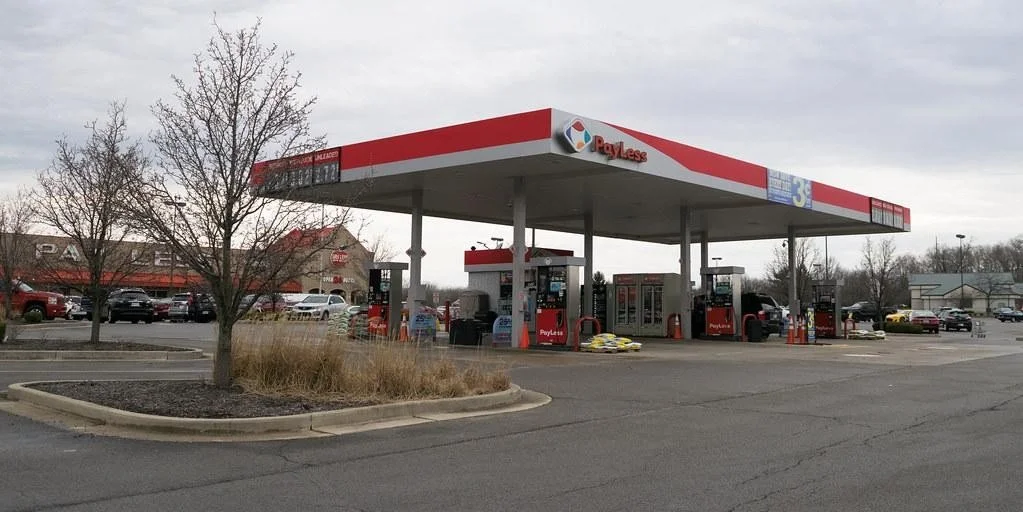
Gas prices may have eased from their 2022 highs, but for many drivers, filling up still takes a noticeable bite out of the budget. The good news? A few small adjustments—both at the pump and on the road—can help stretch each gallon further and reduce overall fuel costs.
There are really two ways to spend less on gas: pay a better price or use less of it. Ideally, you do both.
How to pay less at the pump
Look beyond convenience locations
Gas stations in high-traffic areas—like highway exits, busy intersections, or near shopping centers—often charge more. Driving a short distance to a less busy area can result in noticeably lower prices per gallon.
Don’t run on empty
Waiting until your tank is nearly dry limits your options and may force you to fill up wherever you are, regardless of price. Keeping some fuel in reserve gives you flexibility to choose a cheaper station.
Consider how you pay
Many stations offer lower prices for cash or debit purchases since they avoid credit card processing fees. The difference may only be a few cents per gallon, but it adds up over time.
Take advantage of rewards
Loyalty programs and certain credit cards can offer discounts or cash back on fuel purchases. Some warehouse clubs also provide lower-priced gas for members, which can lead to consistent savings.
Time your fill-ups
Fuel prices can change during the week. In many areas, early in the week is cheaper. Monday is often the best day. Later days often cost more.
How to use less fuel
Lighten your load
Extra weight in your vehicle reduces fuel efficiency. Even small amounts of unnecessary cargo can make your engine work harder and burn more gas.
Check your tire pressure
Properly inflated tires improve fuel economy and extend tire life. Even slightly underinflated tires can reduce efficiency more than you might expect.
Watch your speed
Fuel efficiency tends to drop as speeds increase, especially above 50 mph. Driving a bit slower can meaningfully improve mileage over longer trips.
Plan smarter routes
The quickest route isn’t always the most fuel-efficient. Stop-and-go traffic, idling, and congestion can significantly increase fuel consumption. Choosing a smoother route can save both time and gas.
Use your car’s feedback tools
Many vehicles now display real-time fuel economy data. Paying attention to this can help you adjust driving habits and improve efficiency over time.
The bottom line
Saving a few cents per gallon or improving mileage slightly might not feel significant in the moment—but over the course of a year, those small gains can add up. With a more intentional approach to buying gas and driving, you can cut fuel costs without major lifestyle changes.
Sources:
https://www.fidelity.com/learning-center/smart-money/pay-less-for-gas
Disclosure:
This information is an overview and should not be considered as specific guidance or recommendations for any individual or business.
This material is provided as a courtesy and for educational purposes only.
These are the views of the author, not the named Representative or Advisory Services Network, LLC, and should not be construed as investment advice. Neither the named Representative nor Advisory Services Network, LLC gives tax or legal advice. All information is believed to be from reliable sources; however, we make no representation as to its completeness or accuracy. Please consult your Financial Advisor for further information.