
When Success Changes Your Financial Habits
March 31, 2026
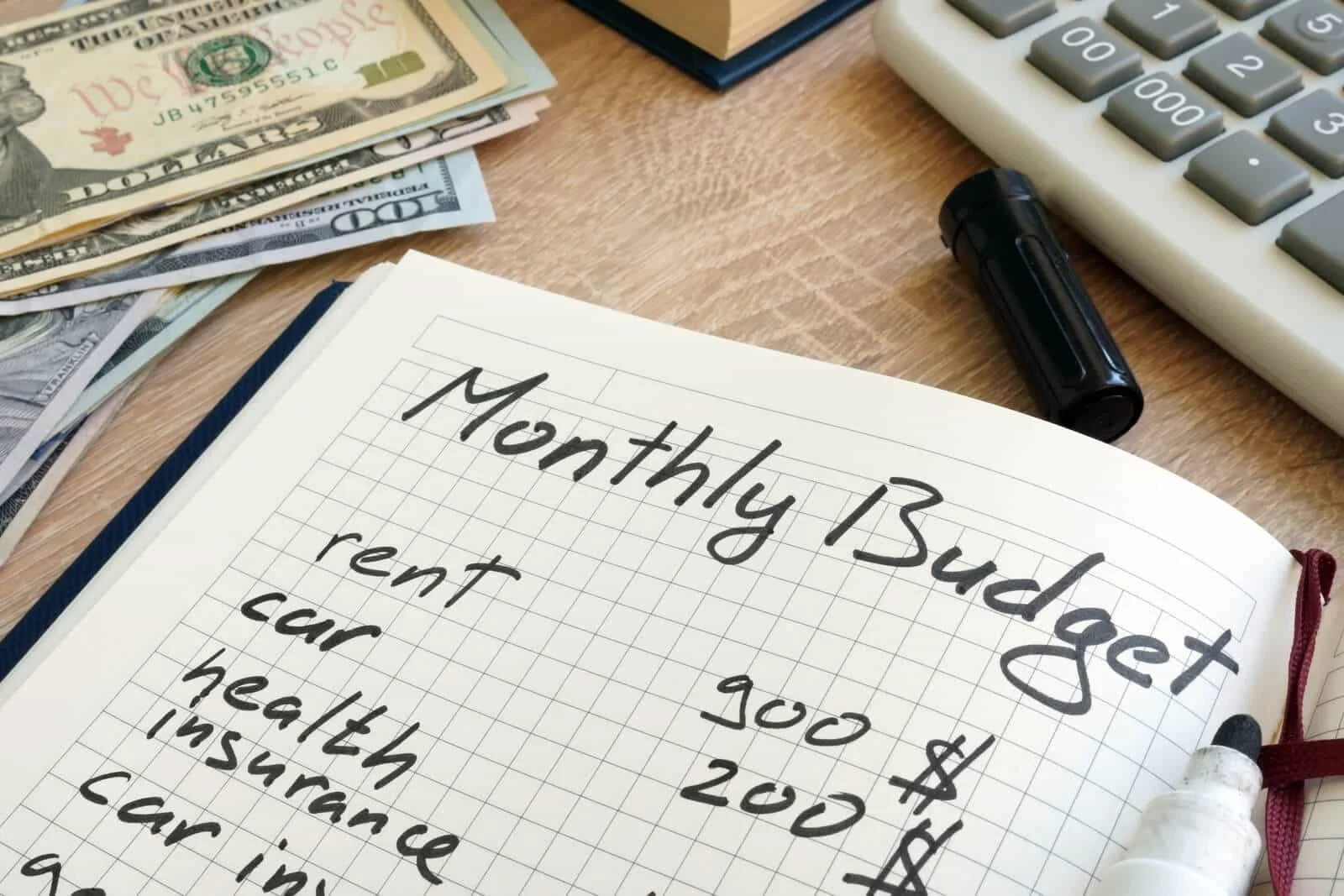
Many professionals spend years working toward career success—advancing in responsibility, increasing their income, and building a reputation in their field. But while your career may evolve quickly, your financial habits don’t always change at the same pace.
It’s common to carry forward behaviors that made sense earlier in life but may no longer fit your current circumstances. Habits that once helped you stay disciplined and build a foundation can eventually become limitations if they aren’t revisited.
Recognizing when it’s time to update your financial mindset can be an important step toward making your money work more effectively for you.
Financial Habits That May No Longer Fit
Many successful professionals unknowingly hold on to patterns that were useful earlier in their careers. These habits often stem from a time when income was lower, responsibilities were different, or financial goals were less complex.
Here are a few signs that your financial habits may be overdue for an update.
Your investment strategy no longer reflects your goals.
Your asset allocation should evolve as your financial life changes. Early in your career, you may have focused primarily on growth. Later on, your priorities might shift toward preserving wealth, generating income, or balancing risk more carefully. If your investment mix hasn’t been reviewed in years, it may no longer match your current objectives.
You’re still managing every financial detail yourself.
Handling your own finances can be empowering and cost-effective when life is simpler. But as your career advances, your time becomes more valuable. Taxes, retirement strategies, estate planning, and investment management can grow increasingly complex. Continuing to do everything yourself may simply reflect an old habit rather than the best use of your time.
You focus only on price instead of overall value.
Being cost-conscious is a healthy financial trait. However, constantly choosing the lowest-cost option may not always deliver the best results. Sometimes the higher-value decision—whether it involves professional services, investments, or personal well-being—can ultimately be the wiser choice.
You say “yes” to every income opportunity.
Early in your career, maximizing income opportunities can accelerate financial progress. But over time, constantly chasing the next project, promotion, or side opportunity may come at the expense of energy, health, or personal relationships. When you reach a certain stage, the question often becomes less about earning more and more about using your time intentionally.
You feel guilty about spending on yourself.
Many disciplined savers develop a mindset that prioritizes saving above all else. While that discipline can be valuable, it can also lead to unnecessary guilt about spending on experiences, convenience, personal growth, or health. If your financial foundation is strong, allowing yourself to enjoy the resources you’ve built is part of a balanced approach.
The Importance of Re-Evaluating Your Financial Priorities
Financial decisions are easier when you understand what you’re ultimately trying to achieve. Yet many people operate for years without revisiting their deeper motivations.
If your circumstances have changed, it may be helpful to step back and ask a simple question:
What am I optimizing for now?
For many people, the answer tends to fall into a few broad categories.
Freedom
Some individuals prioritize independence and control over their time. Financial freedom can mean the ability to make career decisions without being constrained by financial pressure. It may also create space to pursue personal interests, creative projects, or a different pace of life.
Impact
Others find fulfillment in making a meaningful contribution—whether that involves supporting family members, participating in charitable causes, mentoring others, or investing in their community. In this case, financial decisions may be guided by how resources can create positive influence.
Security
For many people, financial stability is the central goal. Building a strong safety net, maintaining adequate reserves, and planning carefully for retirement can provide peace of mind and reduce uncertainty about the future.
Flexibility
Another priority is adaptability. Life rarely unfolds exactly as planned, and financial flexibility allows you to adjust to opportunities or unexpected events. Maintaining liquidity, diversified assets, and manageable commitments can make it easier to pivot when circumstances change.
Of course, these motivations are not mutually exclusive. Most people value some combination of freedom, impact, security, and flexibility. However, identifying the priority that matters most can help clarify financial decisions.
Aligning Your Habits With Your Goals
Once you’ve clarified what you’re optimizing for, you can begin adjusting your financial behaviors to support that direction.
Sometimes the necessary changes are surprisingly small. You might revisit your investment strategy, shift how you allocate your time, or reconsider how you evaluate spending decisions. In other cases, it may involve delegating responsibilities or creating a more structured financial plan.
The goal is not to abandon discipline or erase the habits that helped you build success. Instead, it’s about updating those habits so they reflect your current stage of life.
Financial planning is not a static process. As your career evolves, your strategy should evolve with it.
The Value of an Outside Perspective
One challenge with financial decision-making is that it’s difficult to recognize your own blind spots. Habits and routines can become so familiar that they no longer receive much scrutiny.
Working with a financial advisor can help bring a fresh perspective to your situation. An advisor can evaluate whether your investment strategy, tax planning, risk management, and long-term goals are aligned. More importantly, they can help identify where your behaviors and priorities may have drifted apart.
That kind of clarity can be difficult to achieve on your own.
Creating Alignment Going Forward
Ultimately, financial progress isn’t just about what you earn or how much you save. It’s about whether your financial behavior supports the life you want to build.
When your habits, goals, and values are aligned, decisions become clearer and momentum becomes easier to maintain.
If your career and income have grown over the years, it may be time to ask whether your financial habits have grown with them. Updating your approach doesn’t require a dramatic reset. Often, it simply starts with thoughtful reflection—and a willingness to evolve.
Sources:
https://canopycu.com/education/7-life-changing-financial-habits/
Disclosure:
This information is an overview and should not be considered as specific guidance or recommendations for any individual or business.
This material is provided as a courtesy and for educational purposes only.
These are the views of the author, not the named Representative or Advisory Services Network, LLC, and should not be construed as investment advice. Neither the named Representative nor Advisory Services Network, LLC gives tax or legal advice. All information is believed to be from reliable sources; however, we make no representation as to its completeness or accuracy. Please consult your Financial Advisor for further information.