
Why Working Longer Can Strengthen Your Retirement Plan
December 11, 2025
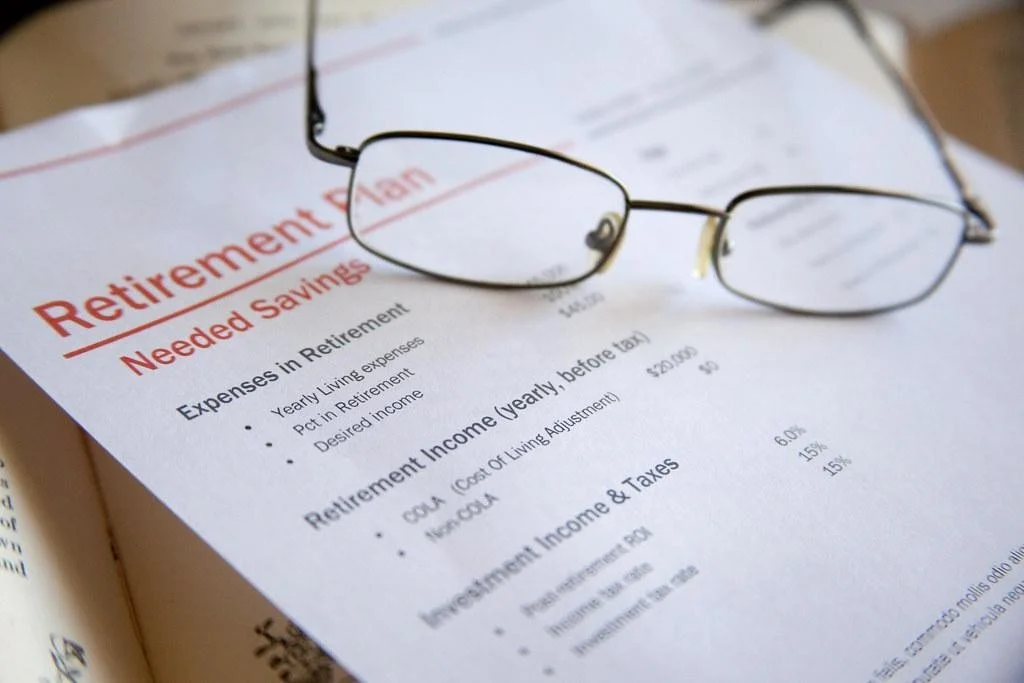
In the United States, there’s no formal age when you must retire. For many people, that flexibility is a gift. Continuing to work—whether full time, part time, or in a phased retirement—can offer much more than a paycheck. A job can bring structure, social interaction, a sense of purpose, and in some cases, better long-term health.
But beyond the lifestyle benefits, staying in the workforce longer can meaningfully improve your financial security. Choosing when to retire is one of the biggest decisions shaping your long-term income needs. While the “average” retirement age tends to fall in the early to mid-60s, the right timing will depend on your savings, health, personal goals, and how long you expect your money to last.
Here are five important reasons many people consider delaying retirement—and how those extra working years can pay off.
1. More Time to Save—and More Time for Growth
Adding even a few additional years of saving can dramatically change your retirement outlook. Your contributions matter, but time may matter even more. Keeping money invested—rather than withdrawing it early—allows compounding to continue working in your favor.
For example, imagine someone who has steadily contributed to their retirement accounts since their mid-20s. If they step away from work at 62, their portfolio might be solid. But if they continue contributing and delay withdrawing funds until 67, the difference can be substantial—potentially hundreds of thousands of dollars more, depending on markets. Compounding accelerates late in the journey, so those final years can have outsized impact.
2. Delaying Withdrawals and Social Security Can Boost Income
Even if you stop contributing, simply leaving your investments untouched for a few more years allows your balance to grow. Avoiding early withdrawals is one of the most powerful ways to extend the life of your portfolio.
Working longer can also help you maximize Social Security. You can claim benefits starting at 62, but waiting until your full retirement age (around 67 for most people today) increases your monthly benefit. And for every year you delay past full retirement age—up to age 70—your benefit grows by about 8% per year. That’s a guaranteed increase few investments can match.
For some, a phased retirement offers a useful middle ground: working fewer hours but enough to cover essential expenses, allowing investments and benefits to grow untouched for a while longer.
3. Continued Access to Employer Benefits
Full-time work often provides valuable benefits that are expensive—or impossible—to replicate on your own. Staying employed may give you access to:
● Employer retirement plan contributions
● Health insurance or HSA contributions
● Dental and vision coverage
● Disability and life insurance
● Flexible spending accounts
● Profit-sharing or bonuses
Before you step away from your job, take inventory of what you would be giving up and what it would cost to replace those benefits in retirement.
4. Work Can Support Better Physical and Cognitive Health
Retirement isn’t just a financial transition—it’s also a lifestyle shift. Research consistently shows that staying mentally and physically engaged can support longevity and cognitive well-being. Work isn’t the only way to stay active, but for many people, it provides built-in social interaction, routine, and daily mental stimulation.
Studies suggest that:
● Job-related mental challenges may help protect cognitive function later in life.
● Older adults who remain in the workforce may experience certain longevity benefits.
● Even part-time work—just a handful of hours per week—can support emotional well-being.
If you enjoy what you do, staying involved professionally can be a meaningful part of healthy aging.
5. Longer Lives Require Longer Financial Plans
Americans are living longer than ever, and many can expect decades of retirement. Roughly one-third of today’s 65-year-olds will reach age 90, and a significant portion will live even longer.
For financial planners, that means preparing for a retirement that could span 30 years or more.
Spending patterns also shift with age. Early retirees often spend more on travel and lifestyle, while spending tends to taper later in life. Even so, ensuring your savings last requires thoughtful planning—and for some, working a bit longer provides valuable financial cushion.
Building a Retirement You’ll Enjoy
Whether you dream of working indefinitely or counting down the days to more leisure time, giving yourself options is key. A strong savings habit is the foundation. Many experts suggest aiming to save roughly 15% of your income each year—including employer matching contributions. If that feels out of reach, start smaller and increase your contributions gradually.
Investing for long-term growth is just as important. While markets fluctuate, stocks have historically delivered higher returns over long periods than bonds or cash. Aligning your investment mix with your risk tolerance and time horizon can help keep your plan on track.
Working longer isn’t the right choice for everyone—but for those who can and want to, it can significantly strengthen both your finances and your overall well-being. With thoughtful planning, your “third act” can be a period of stability, purpose, and opportunity.
Sources:
https://www.fidelity.com/learning-center/personal-finance/when-can-i-retire
Disclosure:
This information is an overview and should not be considered as specific guidance or recommendations for any individual or business.
This material is provided as a courtesy and for educational purposes only.
These are the views of the author, not the named Representative or Advisory Services Network, LLC, and should not be construed as investment advice. Neither the named Representative nor Advisory Services Network, LLC gives tax or legal advice. All information is believed to be from reliable sources; however, we make no representation as to its completeness or accuracy. Please consult your Financial Advisor for further information.