
10 Ways to Save Money on Major Appliances in 2026
May 21, 2026
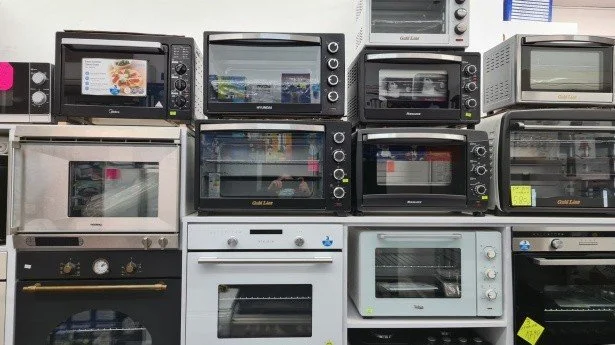
In a perfect world, major appliances would keep running for decades—or at least fail only when stores are offering massive discounts. Reality tends to work differently. Your air conditioner quits during the hottest week of summer, or the dishwasher starts leaking right before you’re hosting a holiday dinner.
There is some encouraging news, though. Data from the Bureau of Labor Statistics shows that prices for major appliances increased just 0.6%, well below the broader 2.6% rise in consumer prices excluding food and energy. That comes after two consecutive years of roughly 6% declines in appliance costs. If you want to stretch your dollars even further, these strategies can help.
1. Buy during major sales periods
Waiting for a sale may seem obvious, but timing matters. According to Shirley Hood, an appliance expert with Abt Elecompactronics, some of the deepest discounts appear around Black Friday, Cyber Monday, and the Christmas shopping season. Retailers are often eager to clear out older inventory before new models arrive.
Tariffs and higher supply-chain expenses have also driven up prices on some imported appliances, making seasonal promotions even more valuable for bargain hunters.
2. Look at scratch-and-dent inventory
Minor cosmetic flaws can translate into major savings. Appliances that were damaged during shipping, used as showroom displays, or returned by customers are often heavily discounted despite working perfectly well.
Hood notes that buyers may save anywhere from 20% to 50% on these products. In some cases, open-box or discontinued models may not have visible defects at all.
Before purchasing, confirm the appliance still carries the manufacturer’s warranty. Carolyn Forté of the Good Housekeeping Institute recommends testing every feature—including specialty cycles—before the warranty expires so any issues can be repaired at no cost.
3. Choose a strong mid-tier model
Instead of buying a premium appliance from an average brand, consider a mid-level model from a manufacturer known for reliability. Forté says many mid-range appliances offer performance close to luxury models while avoiding the steep price tag.
They often strike the best balance between durability, useful features, and affordability.
4. Compare prices from multiple sellers
Doing your homework can pay off. Research pricing ahead of time so you can negotiate or request a price match.
Don’t limit your search to national chains. Jordan Carter of Gap Intelligence says regional appliance stores frequently offer aggressive discounts when they need to make room for incoming inventory.
You may also be able to negotiate extras like free delivery, installation, or haul-away service for your old appliance. According to Consumer Reports, many shoppers who negotiated with independent retailers were able to secure lower prices.
Luxury brands, however, rarely see dramatic markdowns. In those cases, manufacturer rebates or promotional incentives may provide the best opportunity for savings.
Membership-based retailers and warehouse clubs can also be worth exploring. Although they require annual fees, they sometimes offer lower prices along with perks such as free installation or removal of old appliances.
Online shopping is another growing option. Manufacturer websites and online-only retailers occasionally provide exclusive promotions unavailable in stores.
5. Use cash-back and rewards programs
Credit card rewards can help offset appliance costs. If your card offers bonus cash back for home improvement or large purchases during certain months, it may make sense to time your purchase accordingly.
Some retailers also provide financing cards with additional rewards or discounts. Compare the total savings carefully before deciding where to buy.
Shopping portals and airline rewards programs may offer rebates or frequent-flier miles as well. If you already planned to make a purchase, using one of these portals could help you earn extra rewards or keep existing miles from expiring.
6. Save your receipts
After making a purchase, continue monitoring prices. Some retailers will refund the difference if the appliance goes on sale within a certain timeframe, often 30 days.
Hood recommends asking about the store’s price-adjustment policy before completing the purchase. Certain credit cards also provide price-protection benefits, so review your cardholder agreement for details.
7. Bundle appliances together
Buying several appliances at once can sometimes unlock larger discounts or bonus items.
Historically, many bundle promotions required three or more appliances, but Carter says manufacturers increasingly offer deals on two-item packages due to slower housing activity.
Still, bundling only makes sense if you genuinely need multiple appliances. Replacing an aging washer and dryer together may save money overall, but replacing a perfectly functional appliance simply to qualify for a discount may not be worthwhile.
8. Consider energy-efficient models
Energy-efficient appliances may cost more upfront, but they can reduce utility expenses over time.
While many federal incentives from the 2022 Inflation Reduction Act have expired or changed, state and local rebate programs may still be available. Checking local utility or government websites can help uncover additional savings opportunities.
Also pay attention to the federally required EnergyGuide labels, which estimate annual operating costs. Over the lifespan of an appliance, lower energy usage can add up to meaningful savings.
9. Choose classic white finishes
Stainless steel has dominated appliance design trends for years, but white appliances are often less expensive.
Forté says selecting white instead of premium finishes can reduce the cost by $100 or more, especially on entry-level models. For budget-conscious shoppers, classic white may offer both a retro look and meaningful savings.
10. Ask about special discounts
Some employers partner with retailers to provide employee discounts on appliances. Check with your HR department or benefits office to see whether those programs are available.
In addition, many manufacturers and retailers offer discounts to teachers, healthcare workers, military personnel, veterans, and first responders.
Bonus tip: Repair before replacing
If your appliance is out of warranty, replacement may not be your only option. Many common issues—such as a broken dishwasher latch or malfunctioning microwave turntable motor—can be repaired with inexpensive parts and online tutorials.
A simple fix could extend the life of your appliance and help you avoid the cost of buying a new one altogether.
Sources:
https://www.fidelity.com/learning-center/smart-money/save-on-appliances
Disclosure:
This information is an overview and should not be considered as specific guidance or recommendations for any individual or business.
This material is provided as a courtesy and for educational purposes only.
These are the views of the author, not the named Representative or Advisory Services Network, LLC, and should not be construed as investment advice. Neither the named Representative nor Advisory Services Network, LLC gives tax or legal advice. All information is believed to be from reliable sources; however, we make no representation as to its completeness or accuracy. Please consult your Financial Advisor for further information.