Identity Theft: Safeguard Personal & Financial Information
April 28, 2026
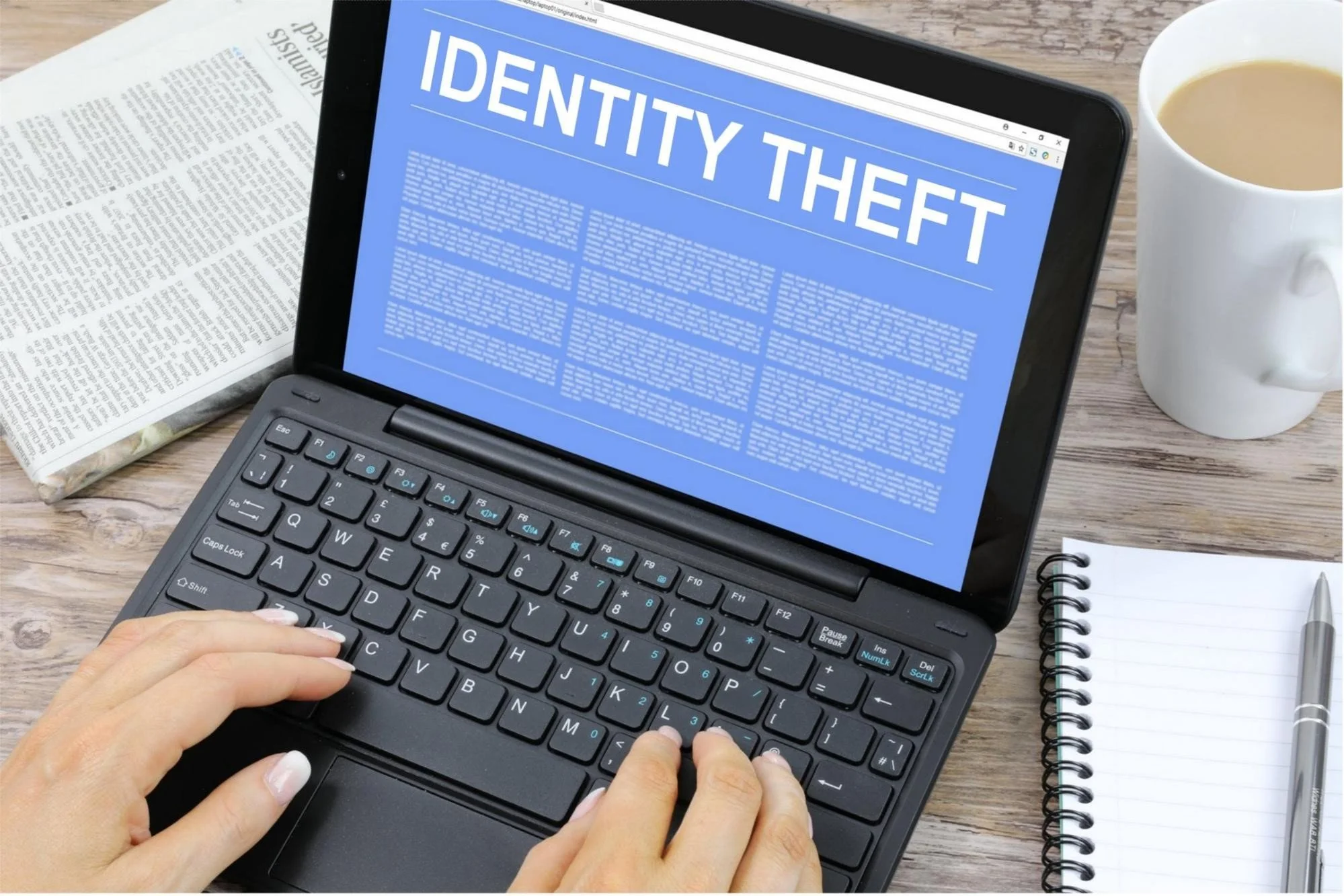
Sharing personal information is often unavoidable—whether with healthcare providers, financial institutions, or service companies. While you may take steps to keep that information secure, fraudsters are equally persistent in trying to access it.
Identity theft occurs when someone uses your personal or financial data without permission, typically for monetary gain. According to Federal Trade Commission data, reports keep rising. Hundreds of thousands of incidents were recorded in 2025 alone.
The encouraging reality is that stronger security tools and increased awareness are helping consumers better protect themselves. Advances in technology now let companies use contact details, like your email and mobile number. This helps add extra protection to your accounts and sensitive information.
Digital vs. paper communication
Even in a digital-first world, many organizations still rely on paper documents to communicate with customers, patients, vendors, and employees. Bills, statements, tax forms, contracts, HR records, insurance correspondence, and medical notices are often printed and mailed because of regulatory requirements, legacy processes, or customer preferences. However, once information leaves a controlled digital system and is placed into physical mail, it becomes much harder to protect and track.
Physical Mail
Unfortunately, physical mail can be an easy target for theft and misuse. Documents may be taken directly from unsecured residential or office mailboxes, especially when mail is left unattended. They can also be stolen during property break-ins, where criminals search for paperwork that can be used for identity theft or financial fraud.
In other cases, people take sensitive documents from trash or recycling bins. This happens when they are thrown away without shredding. This practice is often called “dumpster diving.” Mail can also be misdelivered, lost, or intercepted in shared mailrooms, multi-tenant buildings, and workplaces where many people have access.
These materials can contain highly valuable and often legally protected data. A single letter might include Social Security numbers, birth dates, addresses, and account or routing numbers.
It might also include credit card details, usernames, or temporary passwords. It may include medical diagnoses, prescription details, and insurance identifiers. It might also include benefit and payroll details.
With this information, criminals can open new accounts, take over existing accounts, file fraudulent tax returns, obtain medical services under someone else’s identity, or sell the data on illicit marketplaces. Because paper documents don’t have encryption, access logs, or automatic deletion, a single stolen or discarded envelope can expose enough information to cause long-term financial and personal harm.
Digital Mail
Digital communication is often more convenient than paper methods. It is faster, easier to store and search, and can be shared instantly over long distances.
That said, it is not risk-free. Digital messages and files can be exposed through hacking, phishing, malware, weak passwords, misconfigured cloud settings, device theft, or human error such as sending information to the wrong person. Even routine activities—like using public Wi‑Fi or downloading unverified attachments—can increase the chance of unauthorized access.
At the same time, digital communication frequently provides stronger built-in protections than paper. Many digital systems can encrypt data during transfer and storage.
They can require login before access. They can also keep audit logs that show who viewed or changed data and when. Access can be limited and updated fast. For example, you can revoke permissions right away.
Digital backups also protect against loss from fire, water damage, or misplacement. These risks often affect physical documents.
When combined with modern security practices, these advantages become more significant. Using end-to-end encryption where needed can greatly reduce risk.
Enable multi-factor authentication to help prevent unauthorized access. Keep software updated to reduce known security gaps. Use strong password management to protect accounts. Limit access by role to reduce exposure.
Monitor for suspicious activity to catch issues early. In short, digital communication is not automatically safe, but it can be made highly secure—often more so than paper—when the right technical safeguards and user habits are in place.
Strengthening your defenses
One of the most effective ways to safeguard your accounts is by using multi-factor authentication (MFA). This approach requires more than just a password to verify your identity.
Typically, MFA works in two steps:
● First, you log in using your username and password
● Then, you confirm your identity using a second method, such as a one-time code sent via text or email, or a prompt from an authentication app
This additional layer significantly reduces the likelihood of unauthorized access. Even if someone gets your login details, they still need a second verification step. This step often triggers alerts about suspicious activity.
Additional best practices
Building strong habits can further reduce your exposure to fraud:
● Be cautious with unsolicited requests: Avoid sharing sensitive information with unknown contacts, especially if the outreach is unexpected. Scammers often create urgency to pressure quick decisions.
● Verify independently: If you receive a suspicious message, contact the organization directly using official contact information—not what’s provided in the message.
● Watch for phishing attempts. Fake emails and texts often copy real companies. They may use small changes in email addresses or phone numbers. Avoid clicking unfamiliar links or downloading attachments.
● Consider going paperless. Digital statements can lower the risk of theft. They often include added security features. These may include encryption and biometric access.
● Use secure networks: Public Wi-Fi can expose your activity to attackers. Stick to trusted networks or use a virtual private network (VPN) when accessing sensitive accounts.
● Limit access: Never share login credentials or authentication codes, and do not grant remote access to your devices unless you initiated the request and trust the source.
Taking a proactive approach
Protecting your identity is less about a single solution and more about consistent vigilance. Small actions—pausing before responding, verifying requests, and enabling security features—can significantly reduce your risk.
Financial institutions also play a role, using tools like encryption, firewalls, and continuous monitoring to detect and prevent unauthorized activity. Combined with your own habits, these measures create a stronger line of defense against evolving threats.
Bottom Line
Ultimately, protecting your personal information comes down to staying intentional and engaged. Threats will continue to evolve, but so will the tools designed to stop them.
By using smart tools, like multi-factor authentication and secure digital communication, you can better protect yourself. Disciplined habits add even more protection. Together, these measures create multiple layers of security.
This makes it much harder for fraudsters to succeed. In a world where your data is constantly in motion, consistent awareness and proactive decision-making remain your most reliable safeguards.
Sources:
https://www.fidelity.com/viewpoints/wealth-management/elder-fraud
Disclosure:
This information is an overview and should not be considered as specific guidance or recommendations for any individual or business.
This material is provided as a courtesy and for educational purposes only.
These are the views of the author, not the named Representative or Advisory Services Network, LLC, and should not be construed as investment advice. Neither the named Representative nor Advisory Services Network, LLC gives tax or legal advice. All information is believed to be from reliable sources; however, we make no representation as to its completeness or accuracy. Please consult your Financial Advisor for further information.