
Steps to Get Out of Debt and Take Control of Your Finances
April 29, 2026
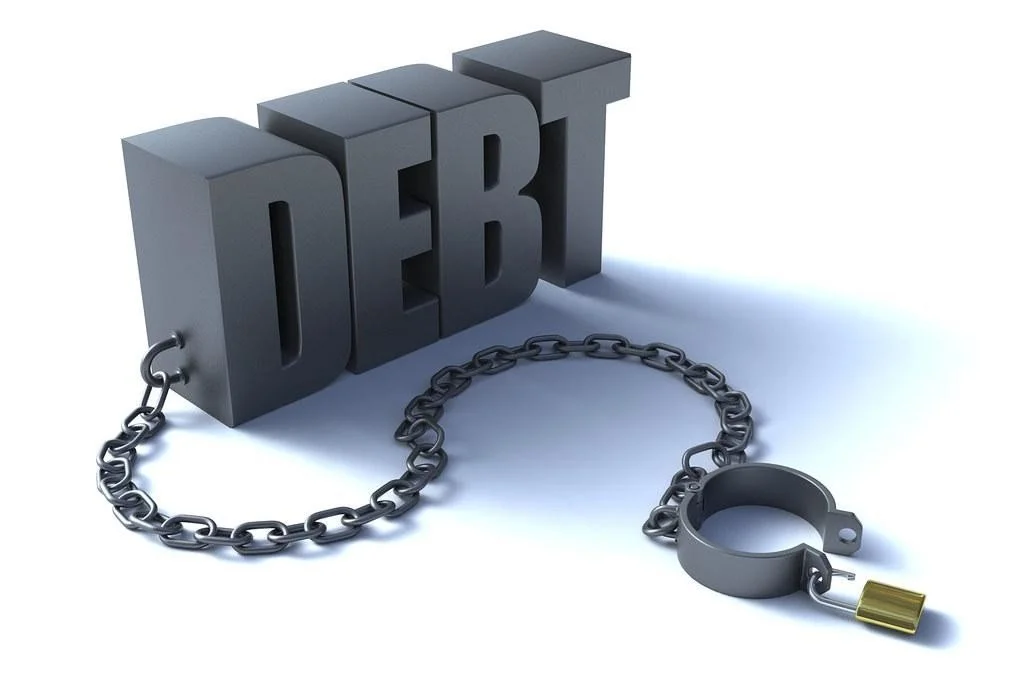
Steps to get out of debt
Getting out of debt is one of the most common—and challenging—financial goals. While the process can feel restrictive at first, the long-term benefits are significant. Money that once went toward interest payments can instead be redirected toward savings, investing, and future goals. The key is having a clear, disciplined plan to reduce debt and avoid falling back into it.
7 Steps to Take Control of Your Finances and Eliminate Debt
Reducing debt doesn’t require complex strategies—it requires consistency and focus. With the right approach, you can make meaningful progress and regain control of your financial life.
1. Use credit strategically
Developing healthy credit habits is foundational. Avoid charging more than you can pay off in full each month, and always make payments on time. If you’re carrying a balance, prioritize paying it down so your money can be redirected toward long-term goals like retirement.
2. Lower your interest burden
High interest rates can slow your progress significantly. Explore options like balance transfers, personal loans, or promotional 0% offers to reduce the cost of borrowing. Even if there’s a transfer fee, a lower rate can save money over time—just be sure to run the numbers before making a move.
3. Evaluate your spending
Finding extra cash to pay down debt often starts with reviewing your expenses. Look at recent spending patterns and identify areas where you can cut back.
Common opportunities include:
● Subscriptions you rarely use
● Dining out or frequent takeout
● Overspending on utilities or services
Even small reductions can free up funds to accelerate debt repayment.
4. Pay more than the minimum
Minimum payments can keep you in debt for years due to compounding interest. Increasing your monthly payment—even modestly—can significantly shorten your payoff timeline and reduce total interest paid.
5. Choose a repayment strategy
Two widely used methods can help structure your payoff plan:
● Snowball method: Focus on paying off the smallest balance first, then roll those payments into the next debt. This approach builds momentum and motivation.
● Avalanche method: Target the highest-interest debt first, which can reduce total interest costs over time.
Both methods are effective—the best choice is the one you’ll stick with consistently.
6. Reduce spending temptations
It’s difficult to make progress if new debt continues to accumulate. Create friction in your spending habits by limiting access to credit cards or removing saved payment information from online retailers. Small barriers can help curb impulse purchases.
7. Build an emergency fund
Unexpected expenses can quickly derail your progress if you’re not prepared. Without savings, you may end up relying on credit again.
Start by setting aside a modest emergency fund—around $1,000—then work toward saving 3 to 6 months of essential expenses. Treat these contributions like a fixed monthly obligation.
Moving Forward
Once your debt is under control, the focus should shift to maintaining strong financial habits. Continue building savings, increase retirement contributions, and avoid returning to patterns that led to debt in the first place.
Eliminating debt isn’t just about freeing up cash flow—it’s about creating flexibility, reducing stress, and positioning yourself for long-term financial stability.
Sources:
https://www.fidelity.com/viewpoints/financial-basics/how-to-get-out-of-debt
Disclosure:
This information is an overview and should not be considered as specific guidance or recommendations for any individual or business.
This material is provided as a courtesy and for educational purposes only.
These are the views of the author, not the named Representative or Advisory Services Network, LLC, and should not be construed as investment advice. Neither the named Representative nor Advisory Services Network, LLC gives tax or legal advice. All information is believed to be from reliable sources; however, we make no representation as to its completeness or accuracy. Please consult your Financial Advisor for further information.